According to LaFleur, there are four pillars of mental wellness for seniors: sleep, nutrition, exercise, and social connection. The latter of these is of the utmost importance, as recently referenced in the
. As we get older and our bodies age, maintaining a sense of control can be difficult, and choosing the people you allow to be in your life and influence you helps maintain that sense of control. Not only that, but the COVID-19 pandemic and forced isolation was tough on many people’s connections, and many are still reeling from those results today.
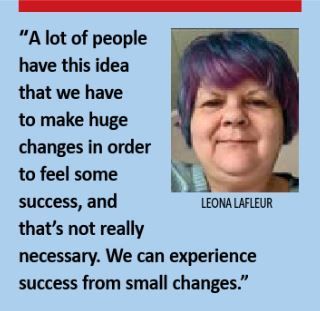
LaFleur advises seniors and their loved ones to assess how well these pillars are being addressed and where they might need to make a change. It is important to normalize what they are going through, recognize where they may be stuck, and then identify what small things can be done to make progress. “A lot of people have this idea that we have to make huge changes in order to feel some success and that's not really necessary,” LaFleur says. “We can experience success from small changes.” For example, if there is a need for more physical activity, she might recommend connecting with a friend who does yoga. Sometimes the change is as simple as getting out of bed, which can be difficult for some seniors due to their physical limitations. It is important to note that in many cases, the elderly are not disconnected in life because they are depressed necessarily, but because it is physically difficult for them to actively engage in their life.
Breaking things down into small components helps with anxiety and decision fatigue as well. Because of the abundance of information in the world today, people can be easily overwhelmed. Simplifying things is important to identify where the challenges are and where improvement can happen. “I try to break things down and recognize the individual,” says LaFleur, “and try to get them to identify what they need.”
LaFleur also recommends considering mental health care like an “emotional bank account.” Determine what actions can you take - whether relaxing, socializing, or otherwise - to put “money” in the bank and increase your reserves for managing stress. With more reserves in your emotional bank account, you are better able to manage difficult situations that you encounter. Deposits are different for each person and situation. For example, social actions are not always a deposit - time spent with family can come with difficult history and thus can increase stress. It is important to give yourself credit for the things you do, especially the little things, because they all contribute to your self-worth and overall well-being.